Tow Ropes are strong and durable ropes designed for towing, pulling, recovery, and material-handling applications. Manufactured to provide reliable pulling strength and flexibility, they are suitable for vehicle recovery, industrial equipment, construction machinery, and various heavy-duty towing operations.
A quality tow rope is designed to withstand pulling forces while providing flexibility for easy handling, storage, and connection. Depending on the application, tow ropes can be manufactured using different materials and constructions to achieve the required combination of strength, flexibility, durability, abrasion resistance, and wear resistance.
Key Features
High Strength:
Tow ropes are designed to withstand substantial pulling forces, making them suitable for demanding towing and recovery applications when used within their rated capacity.
Excellent Flexibility:
Their flexible construction allows easy handling and helps the rope adapt to different towing situations.
Durable Construction:
Quality materials provide resistance to normal abrasion, stretching, and mechanical stress during regular towing operations.
Easy to Handle:
The flexible design makes tow ropes convenient to connect, use, coil, and store.
Reliable Performance:
Suitable for a variety of towing and pulling applications where dependable performance is required.
Applications
Tow Ropes are commonly used for vehicle recovery, towing cars and commercial vehicles, construction equipment, agricultural machinery, industrial equipment, trailers, off-road vehicles, and general pulling applications.
They can also be used for moving or recovering equipment in situations where a flexible pulling connection is required.
Types of Tow Ropes
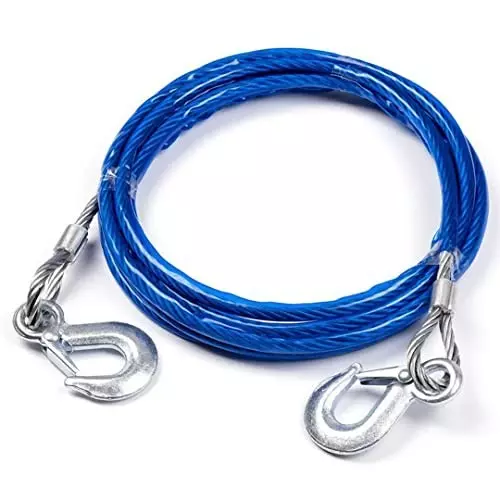
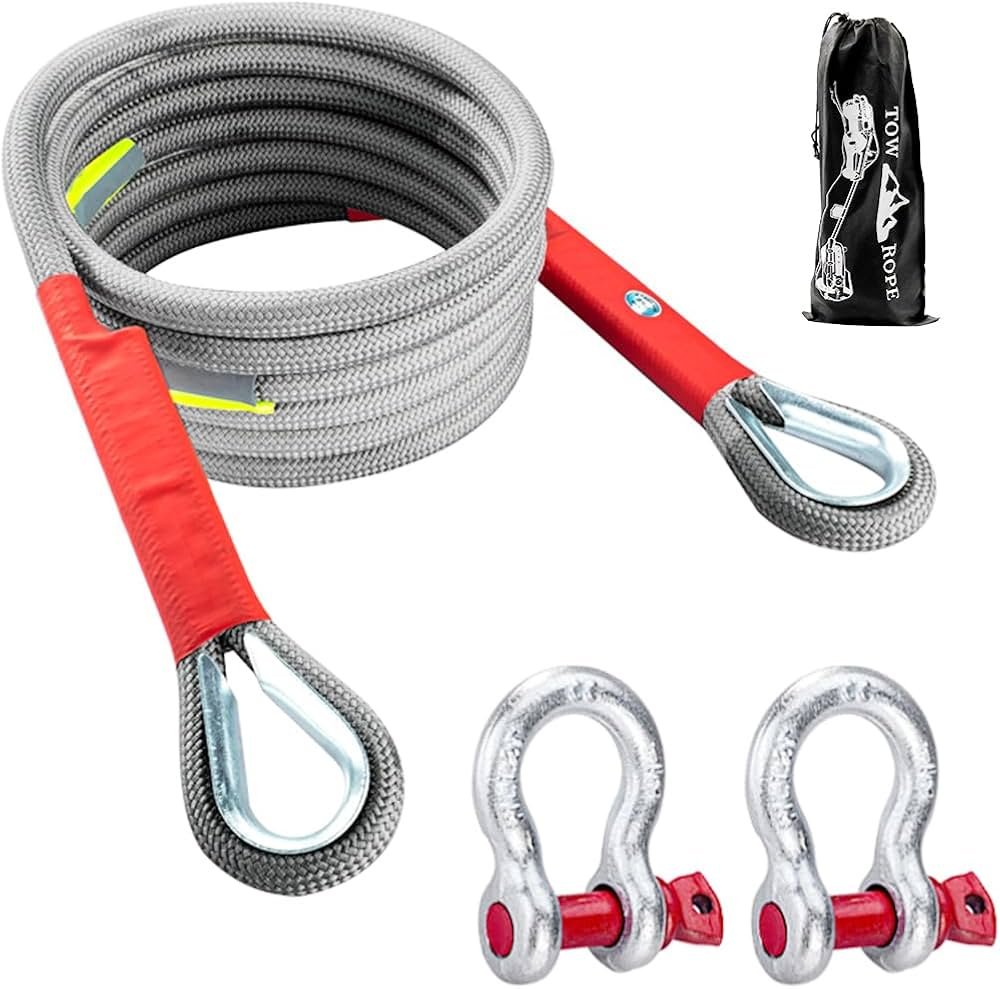
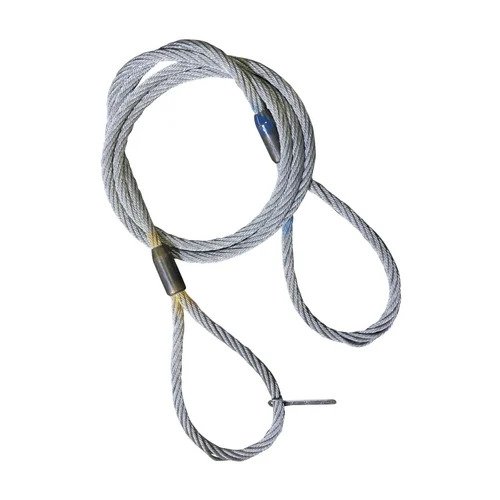
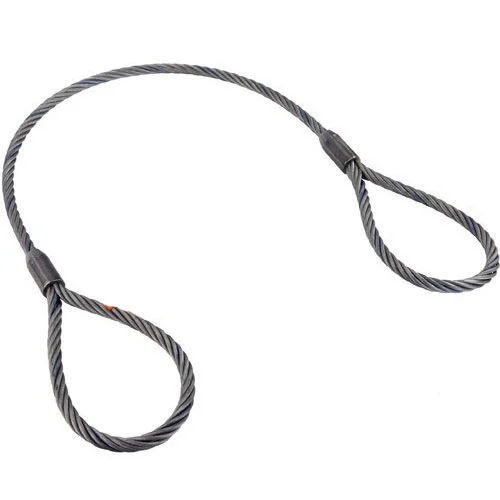
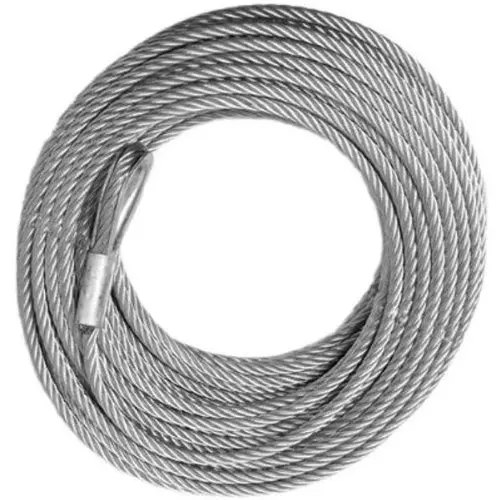
Tow ropes are available in different materials and constructions depending on the intended application. Steel wire rope tow lines can provide high tensile strength and durability for demanding industrial applications, while synthetic tow ropes can offer lightweight handling and greater flexibility.
Different rope diameters, lengths, constructions, and end fittings can be selected according to the required pulling capacity and application.
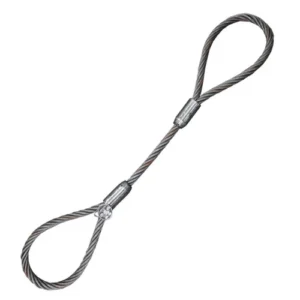
Tow ropes may also be supplied with suitable loops, hooks, thimbles, shackles, or other approved attachment systems, depending on the design and intended use.
Advantages
One of the major advantages of Tow Ropes is their combination of strength, flexibility, and ease of handling. A properly selected tow rope can provide reliable pulling performance while being convenient to install and store.
For automotive and industrial applications, choosing the correct rope specification is important to ensure that the rope is capable of handling the expected towing load.
Safety & Maintenance
Tow ropes should always be selected according to their rated capacity and intended application. Never exceed the manufacturer’s specified working load or use a damaged rope for towing.
Before use, inspect the rope for cuts, broken wires, fraying, excessive abrasion, corrosion, deformation, damaged fittings, and other signs of deterioration. Attachment points should also be checked to ensure they are secure and suitable for the intended load.
When towing vehicles or equipment, ensure that the connection is properly secured and that the towing operation is carried out in accordance with the equipment manufacturer’s safety recommendations.
Why Choose Tow Ropes?
Tow Ropes provide a practical and dependable solution for towing, pulling, and recovery applications. Their combination of high strength, flexibility, durability, and reliable performance makes them suitable for automotive, industrial, construction, agricultural, and general-purpose applications.
Whether used for vehicle recovery, machinery movement, or industrial pulling operations, selecting the appropriate rope material, diameter, length, construction, and rated capacity is essential for safe and effective performance.
 Dispatch within 24 Hours : Your product will be shipped quickly.
 3-Year Warranty: Ignavo is safe with warranty conditions.


Reviews
There are no reviews yet.