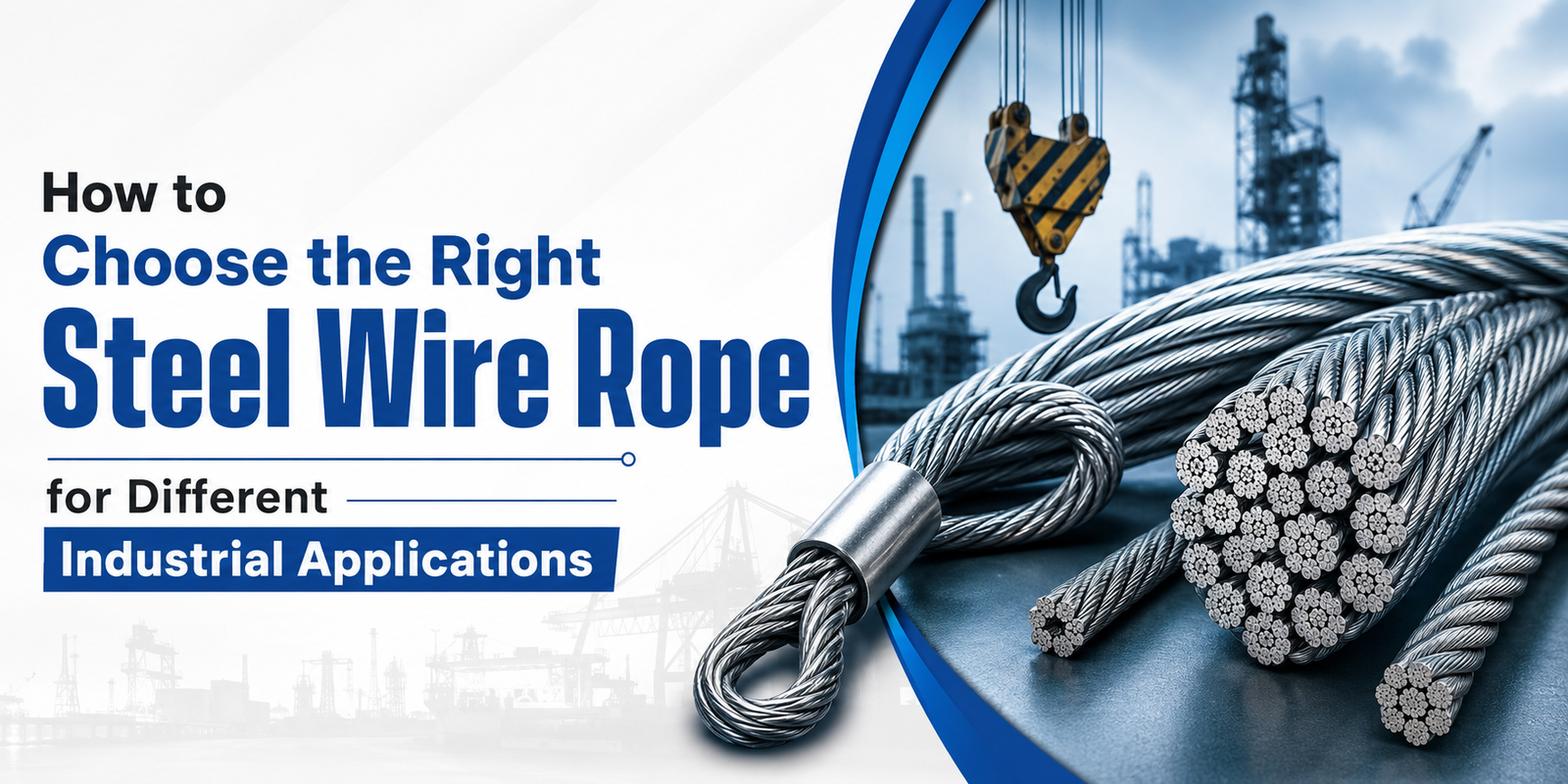
Steel wire ropes are an important component in many industrial operations where lifting, pulling, hauling, suspension, and material handling are required. From cranes and elevators to mining, construction, shipping, and general engineering, the right wire rope can significantly influence the safety, efficiency, and reliability of an application. Choosing a suitable steel wire rope requires understanding factors such as rope construction, material, diameter, strength, flexibility, and working environment.
Why Choosing the Right Steel Wire Rope Matters
A steel wire rope is designed to handle demanding loads and continuous operational stress. However, not every rope is suitable for every application. Using an unsuitable rope can lead to faster wear, reduced performance, frequent replacement, and potential safety risks.
The selection should therefore be based on the specific working conditions and requirements of the equipment. Load capacity, operating speed, bending frequency, exposure to moisture or chemicals, and required flexibility are some of the important factors that should be considered before selecting a rope.
Important Factors to Consider
1. Application and Working Conditions
The first step is to understand where the rope will be used. Crane steel wire ropes, hoist ropes, elevator ropes, mining ropes, construction ropes, and shipping ropes can have different performance requirements.
For example, lifting equipment may require a rope with high tensile strength and good fatigue resistance, while applications exposed to moisture may benefit from galvanized or stainless-steel wire ropes.
2. Rope Construction
Steel wire ropes are available in different constructions, including 6×19, 6×25, 6×37, 8×19, and other configurations. The construction affects flexibility, abrasion resistance, strength, and bending performance.
A rope with greater flexibility can be useful in applications involving frequent bending, while a construction designed for higher abrasion resistance may be more suitable for demanding operating conditions.
3. Diameter and Breaking Strength
The diameter of a wire rope is another important consideration. The required diameter should be selected according to the equipment design, load requirements, and applicable safety factors.
Higher tensile strength can provide better load-bearing capability, but the rope must still be compatible with the sheaves, drums, and other components of the equipment.
4. Material and Corrosion Resistance
The operating environment can have a major impact on rope life. Galvanized steel wire ropes provide additional protection against corrosion and can be suitable for applications where the rope is exposed to moisture or outdoor conditions.
Stainless steel wire ropes are also commonly selected where corrosion resistance, durability, and a clean finish are important.
Common Applications of Steel Wire Ropes
Steel wire ropes are widely used across several industries, including:
Cranes and lifting equipment
Construction and infrastructure
Mining and man-riding applications
Elevators and lifts
Oil wells and drilling operations
Shipping and marine applications
Suspension bridges
General engineering
Hoists and material handling equipment
Different applications require different rope constructions and specifications. Therefore, selecting a rope according to the actual operating environment is essential for dependable performance.
Why Quality Testing Is Important
Quality plays a critical role when selecting steel wire ropes. Proper testing and inspection help ensure that the rope meets the required specifications and performance expectations.
Mahadev Industries focuses on quality-controlled manufacturing and offers a range of steel wire ropes and related products for industrial applications. The company provides products including steel wire ropes, wire rope slings, PVC-coated wire ropes, galvanized steel wire ropes, crane wire ropes, hoist ropes, stainless steel wire ropes, and other specialized solutions.
Conclusion
Selecting the right steel wire rope is an important decision for maintaining safe and efficient industrial operations. The application, rope construction, diameter, tensile strength, flexibility, corrosion resistance, and working environment should all be considered before making a selection.
By choosing a properly specified and quality-tested steel wire rope, industries can improve operational reliability, reduce unnecessary downtime, and support safer material-handling operations. For industrial requirements, working with an experienced wire rope manufacturer can also help businesses identify the appropriate rope according to their equipment and application needs.