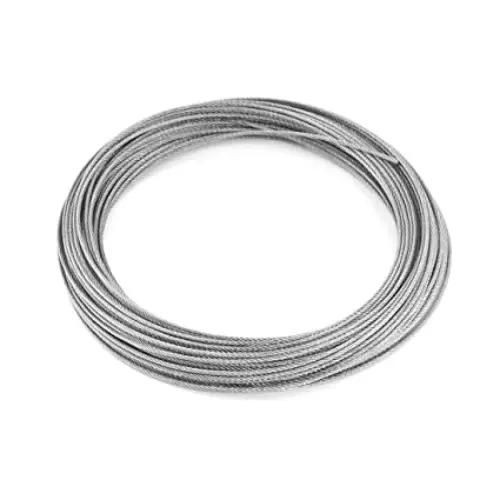
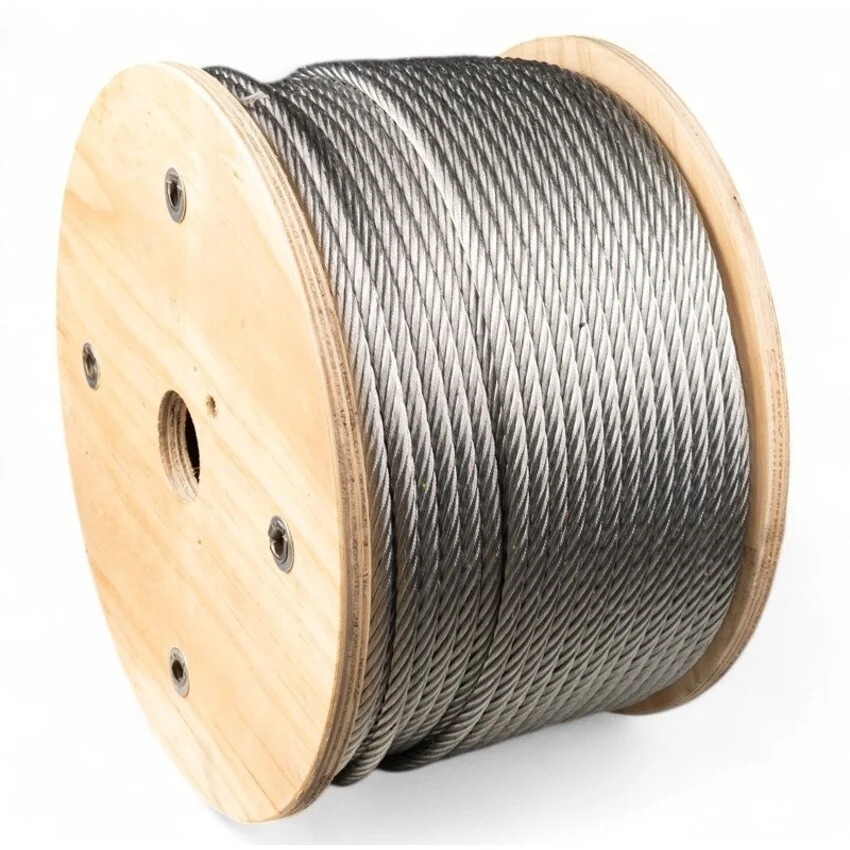
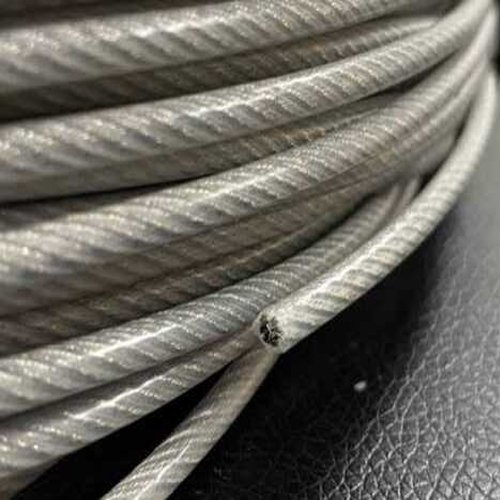
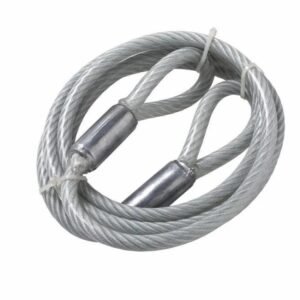
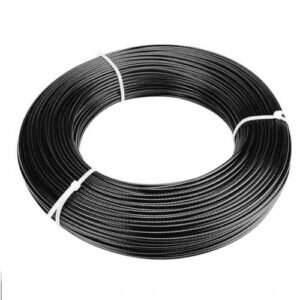
Wire Rope is a strong and flexible mechanical cable designed for lifting, pulling, suspension, hoisting, and material-handling applications. Manufactured by combining multiple individual wires into strands and arranging those strands around a central core, wire rope delivers an excellent combination of strength, flexibility, durability, and reliable performance.
Wire ropes are widely used across construction, manufacturing, mining, transportation, marine, engineering, and material-handling industries. They are designed to withstand heavy loads, repeated movement, bending, and demanding working conditions when the correct rope construction and specifications are selected for the application.
Key Features
High Strength:
Wire rope is designed to handle significant tensile forces, making it suitable for lifting and pulling operations involving heavy loads.
Excellent Flexibility:
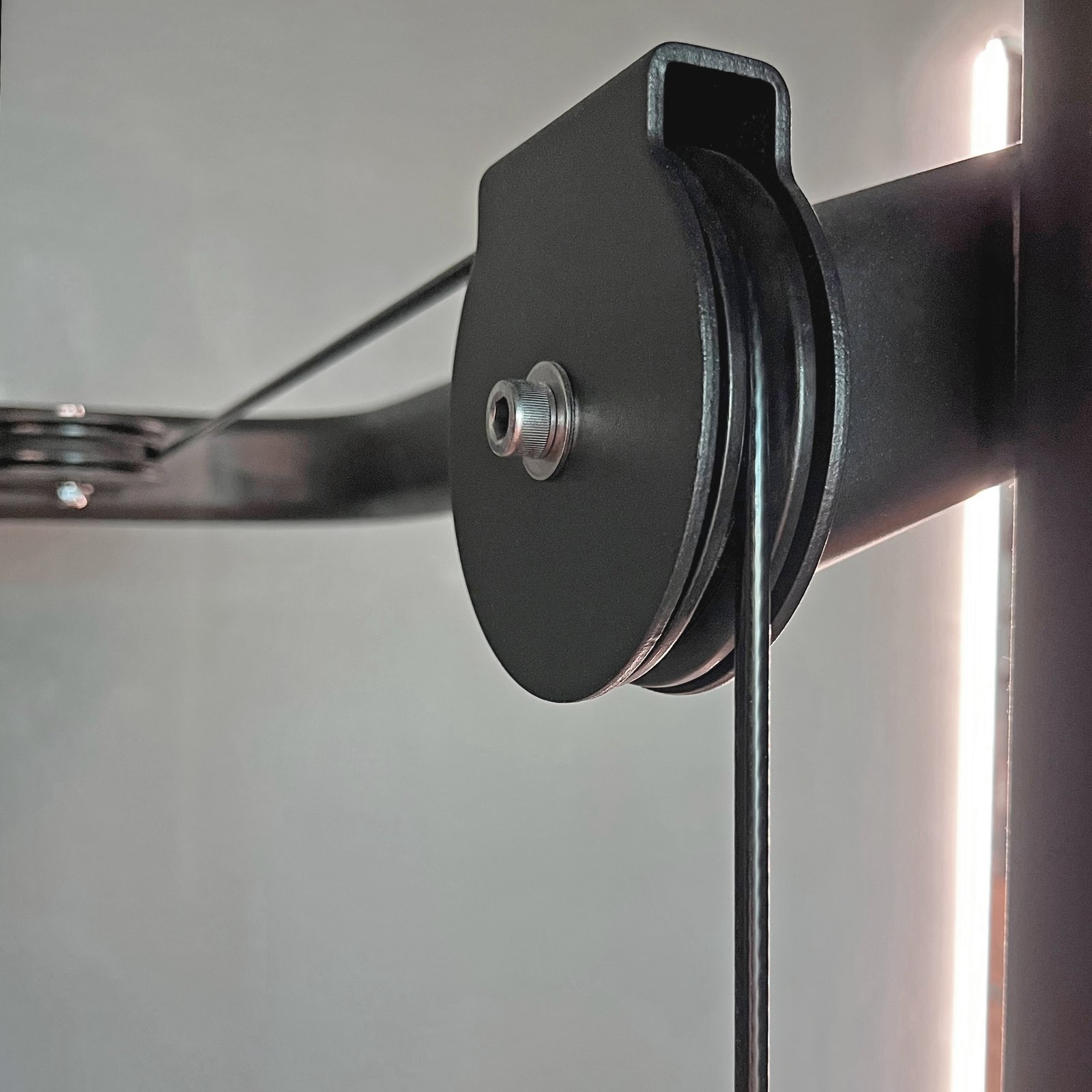
The multi-wire construction allows the rope to bend around sheaves, pulleys, drums, and other equipment while maintaining its structural integrity.
Durable Construction:
Quality steel wires and carefully designed rope construction provide resistance to mechanical stress, abrasion, and repeated loading.
Reliable Performance:
Wire rope provides consistent performance in demanding industrial environments when properly selected, installed, lubricated, and maintained.
Multiple Configurations:
Different diameters, constructions, cores, and finishes are available to meet the requirements of various applications.
Applications
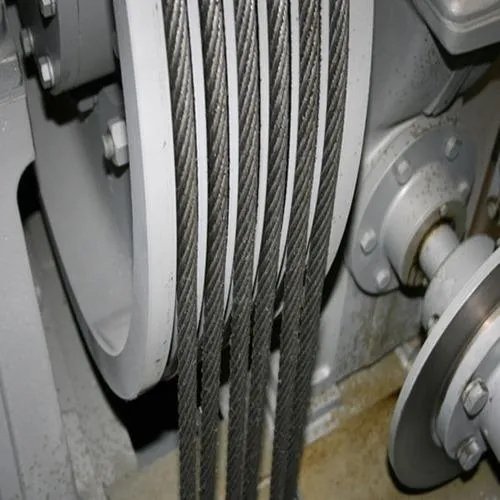
Wire Rope is commonly used in cranes, hoists, elevators, winches, construction machinery, mining equipment, lifting systems, material-handling equipment, marine applications, suspension systems, and industrial machinery.
It can be used for lifting and lowering loads, pulling heavy equipment, supporting structures, operating machinery, and other applications where a combination of strength and flexibility is required.
Different Rope Constructions
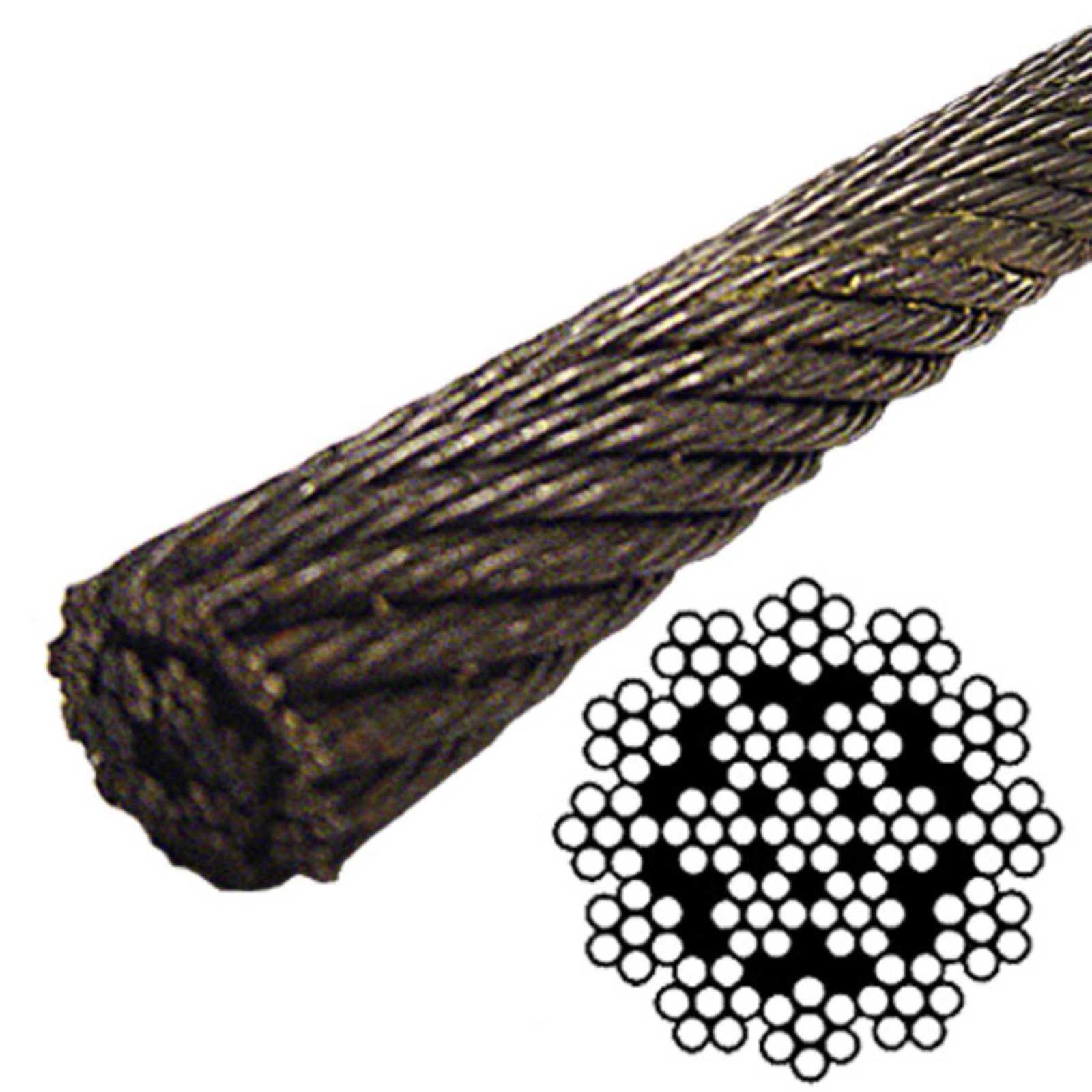
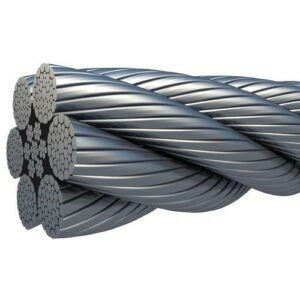
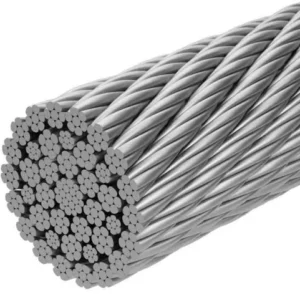
Wire ropes are available in several constructions, each offering specific performance characteristics. Common constructions include 6×19, 6×37, 7×7, and 7×19.
A 6×19 construction offers a useful balance of strength, flexibility, and abrasion resistance. 6×37 wire rope provides greater flexibility and is suitable for applications involving frequent bending. 7×7 and 7×19 constructions can provide different levels of flexibility depending on the specific application.
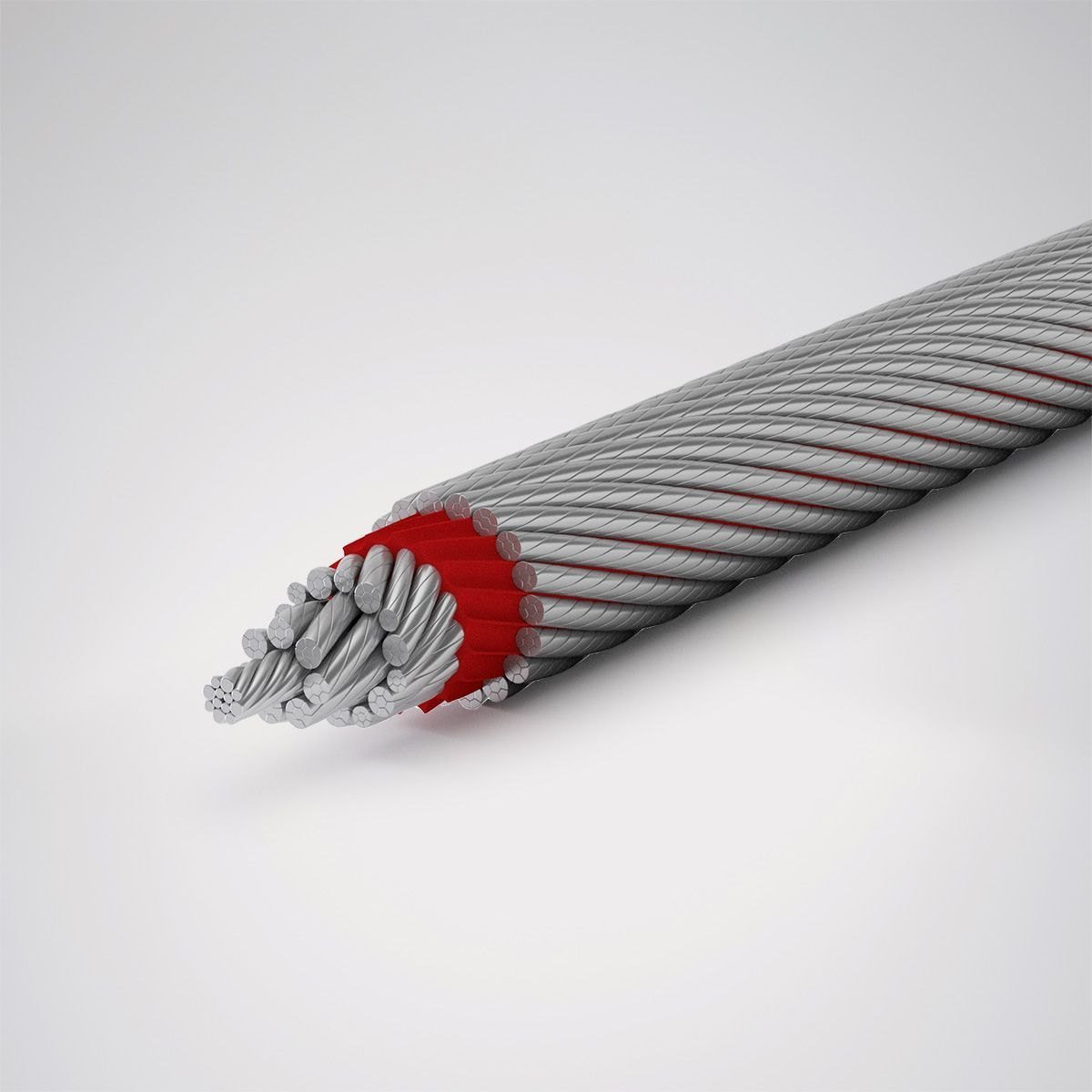
The rope core can also vary. Fiber Core (FC) ropes generally provide greater flexibility, while Independent Wire Rope Core (IWRC) ropes offer higher strength and improved resistance to crushing and heat in demanding applications.
Surface Finishes
Depending on the operating environment, wire ropes can be supplied in different finishes. Bright wire rope is suitable for many general-purpose applications, while galvanized wire rope provides enhanced resistance to corrosion and is often preferred for outdoor and humid environments.
Why Choose Wire Rope?
Wire Rope offers a dependable solution for applications requiring high tensile strength, flexibility, durability, and load-bearing performance. Its versatile construction allows it to be customized according to diameter, rope construction, core type, and application requirements.
Proper rope selection is essential for safe and efficient operation. Factors such as working load, bending frequency, drum and sheave dimensions, operating environment, and required flexibility should be considered before selecting a wire rope. Regular inspection and maintenance should also be performed to identify broken wires, corrosion, deformation, abrasion, or other signs of wear.
For lifting, hoisting, pulling, construction, mining, marine, and industrial applications, Wire Rope provides a strong and versatile solution designed for dependable performance and long-term service.


 Dispatch within 24 Hours : Your product will be shipped quickly.
 3-Year Warranty: Ignavo is safe with warranty conditions.


Reviews
There are no reviews yet.